One Hour After Opening: A Museum Timing Rule on Trial
Four weekday mornings in two Idaho museums, a pocket notebook, and a two part rule that bought me almost an hour of quiet galleries, most of the time.
Every museum guide I have read gives the same one word answer to the timing question: early. Nobody says how early, what the early hour actually buys, or what to do with it once the doors open. That vagueness bothered me the way an uncalibrated gauge bothers me, so I decided to put numbers on it.
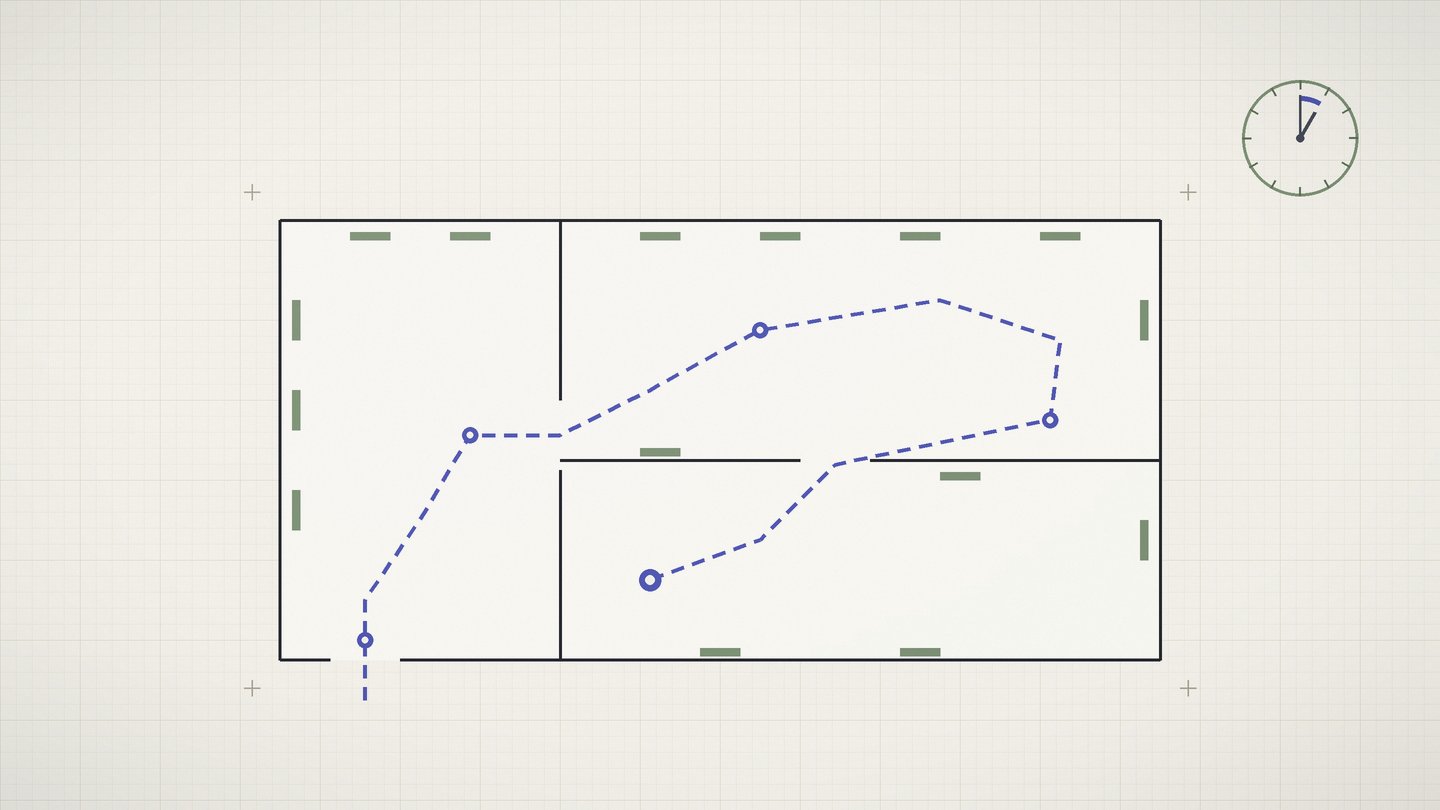
The candidate rule has two parts. Part one: arrive within ten minutes of the posted opening time, not an hour into the morning. Part two: skip the galleries nearest the entrance, walk straight to the farthest room in the building, and work backward toward the door. The logic is simple crowd physics. Almost everyone starts at the first room they see, so the deepest rooms stay empty longest.
I tested the rule in two buildings across four weekday mornings in May. The first was an art museum in Boise that I have wandered for years. The second was a history museum in Nampa, about thirty minutes west, which I had never entered before this trial.
The rule and the method
I gave each museum two visits: one following the rule and one deliberately ignoring it. On rule mornings I arrived within ten minutes of opening and walked the building back to front. On control mornings I arrived at 11:30 and toured the rooms in the order the printed map suggested.
The notebook tracked three things. First, a headcount of every room I stood in, logged at each fifteen minute mark. Second, what I called quiet viewing: total minutes spent in a room with three or fewer other visitors. Third, label waits, meaning the number of times I stood behind someone to read a wall text.
I set one threshold in advance to keep myself honest. A room counted as crowded at eight people, or at the first label wait, whichever came first. Everything else was just watching the building fill and writing down when it happened.
I kept the trial to weekdays on purpose, and I checked the public visiting pages of both museums the night before each run. Those pages carry the posted hours, the current gallery maps, and any closure notices, and they cost me about four minutes per building. Reading them is the unglamorous half of the rule, since an accurate opening time is the whole foundation.
Field notes, Boise
The Boise museum opens at ten. On my rule morning I cleared the admission desk at 10:04, seventh person through the doors. All six people ahead of me turned into the first gallery on the right, exactly as predicted. I kept walking and reached the farthest room in under three minutes.
I had that room entirely to myself for 22 minutes. The next room back stayed under four people for another 19. I met the advancing crowd near the middle of the building at 10:52, and by then I had already seen the half of the collection I cared about most in near silence. When I doubled back past the entrance gallery at 11:10, it held fourteen people and a stroller.
The control visit told the other half of the story. At 11:30 the entrance rooms were full, holding twelve to sixteen people apiece, and I hit four label waits in the first half hour. The deep rooms had partly emptied again by then. Quiet viewing still happened, just far less of it, and never in the rooms I wanted.
Field notes, Nampa
The Nampa building is smaller, a single floor with one long far wing. On the rule morning I was third through the door at 10:06 and alone in the far wing by 10:11. Nobody else entered that wing for 31 minutes, which remains the quietest half hour I have ever spent inside a museum.
Then a school group of about twenty arrived at 10:40 and headed for one specific exhibit near the middle. The sound reached every corner of the building within a minute. Quiet viewing ended not by crowding but by acoustics, and my notebook had no column for that.
The control visit at 11:30 was gentler than in Boise, since the building never truly filled. Even so, the pattern held in miniature. The entrance rooms carried most of the people, and the far wing sat nearly empty both times I checked it.
What broke
The backward walk carries a cost I did not anticipate, and the history museum exposed it. Those galleries tell a story in chronological order, room by room. Walking backward meant meeting every exhibit ending first, and I gave up and restarted twice. The reversals cost me about twelve minutes and a fair amount of comprehension.
Groups broke the rule in a different way. A scheduled school visit or a guided tour arrives at opening too, and it goes wherever its leader points, not where crowd physics says it should. One group can cancel the whole quiet hour in a small building, and you cannot predict its target room from the lobby.
The rule also assumes the far rooms are ready. In Boise a staff member was still wheeling a cart out of the farthest gallery at 10:05, and a rope stayed up for several minutes. Small museums finish their morning setup in exactly the rooms this rule sends you to first.
The numbers
Across the two rule mornings I logged 47 and 53 minutes of quiet viewing, against 9 and 16 minutes on the control visits. Label waits ran four and five on control mornings, and zero and one on rule mornings. Total time to cover each building came out nearly identical, within ten minutes across all four visits.
The arrival half of the rule did most of the work. The backward walk added quiet minutes mainly in the first forty minutes after opening, before the crowd spread out. By late morning the visitors had distributed themselves across the building, and walking order stopped mattering much.
The verdict
The first hour rule earned a place in my notebook, with the two halves scored separately. Arriving within ten minutes of opening paid off in both buildings, on every measure I tracked. The backward walk is situational: strong in an art museum where the rooms stand alone, and actively harmful where the galleries tell an ordered story.
The caveats are real. This was four weekday visits in one metro area in May, at two museums of modest size. Weekends, free admission days, and large buildings with timed entry to special exhibits all sat outside this trial, and any of them could bend the pattern. A single school group can still erase your quiet hour, and no rule I can write will schedule around one. Arrive at opening, check the map for a storyline before you reverse it, and treat the silence as a bonus rather than a promise.
What was checked
- Public visiting pages of both museums, hours and gallery map sections, reviewed May 2026
- Printed gallery maps collected at each admission desk, May 2026
- Personal field log, four weekday visits, May 2026