The Quiet Hours of a Small Airport, Logged by Hand
Three early mornings in a one checkpoint terminal, a stopwatch, and a 70 minute arrival rule that held everywhere except the first flights of the day.
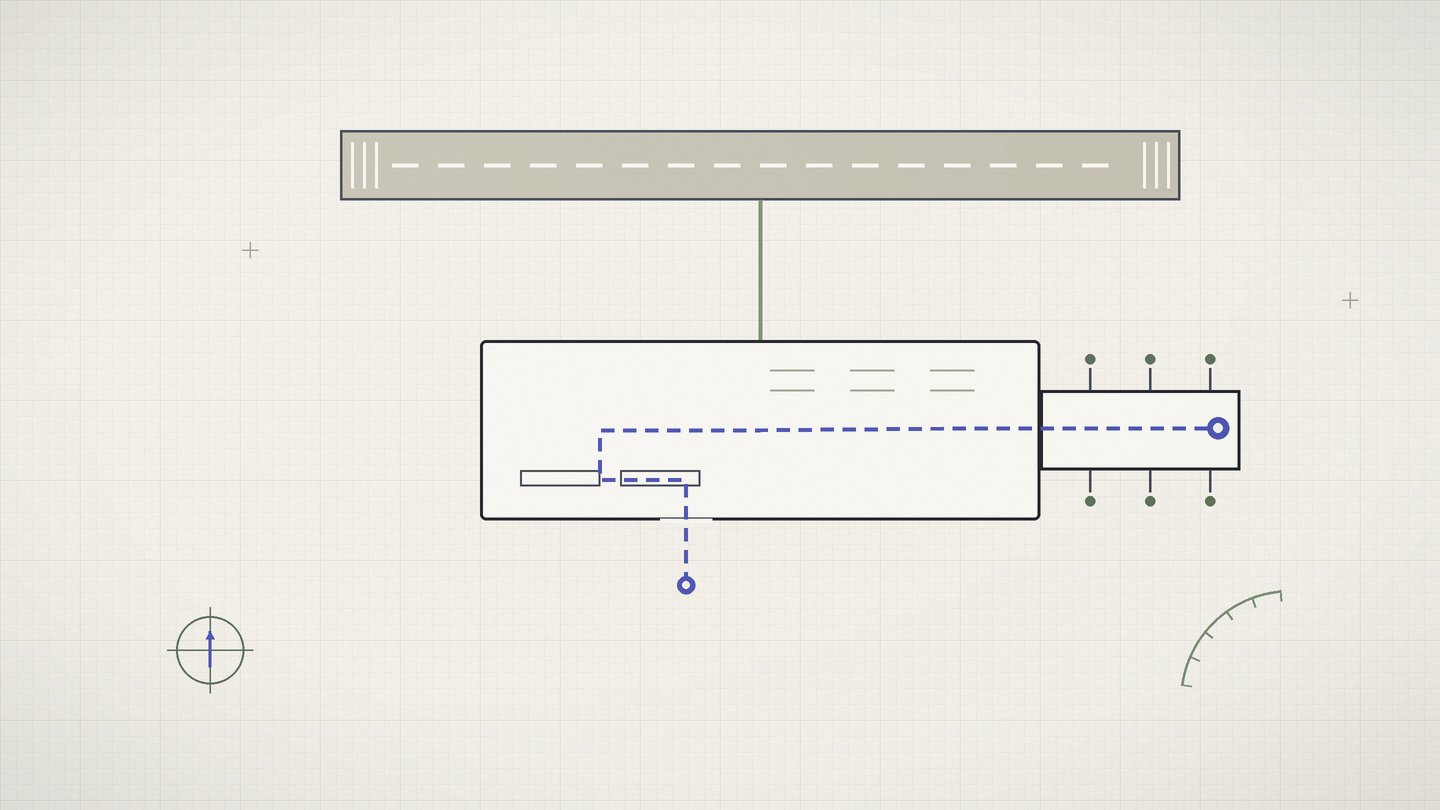
Most advice about moving through airports assumes a giant hub with a dozen checkpoints and a line that never fully clears. The small regional terminal within an easy drive of my house runs on a different clock entirely. It has one screening lane, one coffee counter, and a lobby you can cross in about forty steps.
I wanted to learn that clock instead of guessing at it, so I gave it three weekday mornings. I brought a stopwatch, a clipboard, and a printed log sheet with a column for every ten minute mark. On the first two visits I was not flying anywhere, which felt odd and turned out to be the point. Watching a terminal without a departure of your own changes what you notice.
The question on the sheet was simple. Does the standard two hour arrival advice make sense in a building this size? Or does a small terminal deserve a rule of its own?
The method
I picked three mornings across two weeks in late April, all of them weekdays. I arrived at 5:10 am each time, before the checkpoint opened, and stayed on a bench until 9:00 am. Every ten minutes I logged four numbers: people waiting in line, minutes for the last person to clear screening, occupied seats past the checkpoint, and staff visible on the floor. I sat where I could watch the lane, the doors, and the departure board at once.
The rule under test came from the building itself rather than from a guidebook. A terminal with one screening lane cannot hide its rhythm. Departures leave in banks, small clusters of two or three flights. The line should rise and fall with each bank rather than flow steadily. My candidate rule was plain: in a building like this, arrive 70 minutes before boarding instead of two hours before departure.
I also carried one control habit through all three visits. Each morning I asked a desk agent, politely and only once, how early they tell people to arrive. All three gave the same answer, ninety minutes, delivered in the flat tone of a recording. That gap between the official number and my candidate number is the whole experiment.
Field notes, three mornings
Morning one set the pattern. The checkpoint opened at 5:25 am to a line of 31 people, nearly all of them bound for the first bank of departures. That line cleared in 19 minutes, and by 5:50 the lobby had gone almost silent. Between 6:10 and 7:00 I counted a screening line longer than four people exactly twice. The coffee counter opened at 6:00 sharp, and the agent behind it greeted half the room by name.
Morning two showed the wave shape clearly. A second bank of flights built a line of 22 people by 7:40, and it dissolved in 14 minutes once two officers worked the lane. The quiet valley between banks lasted 48 minutes that day. During the valley I timed the walk from the curb to a gate seat, and it took 8 minutes at a normal pace.
Morning three was my flying day, so I ran the rule on myself with real luggage in hand. My boarding time was 8:05 am, and I walked through the doors at 6:55, exactly 70 minutes ahead. I hit the tail of the second wave, cleared screening in 11 minutes, and bought coffee without waiting. I was in a gate seat 42 minutes before boarding began, calm and slightly smug.
What broke
The rule failed hard for the first bank of the day, and I want to be plain about that. If your flight boards before 6:30 am, a 70 minute arrival puts you at a checkpoint that has not opened yet. You gain nothing by standing at a closed lane, and you cannot count on it opening exactly on schedule. On morning two the lane opened 9 minutes late, and the entire first wave absorbed that delay while standing still.
My seat counting method also broke once, in a way worth recording. A youth sports team of roughly 25 people arrived in matching jackets between two of my ten minute marks. The occupied seat count jumped so sharply that it looked like a writing error on the sheet. I only trusted the number because I had watched the whole group walk in together.
The logging interval itself was my third failure. Ten minutes is too coarse for a checkpoint at this scale, where a line can grow and vanish inside seven minutes. Twice my grid shows a calm lane even though my margin notes, scribbled between marks, describe a real queue. If I repeat this trial, I will log every five minutes and accept the sore writing hand.
The numbers
The peak line of the whole study was 31 people, and it cleared in 19 minutes. That works out to roughly 100 travelers per hour through a single lane, which matched the pace I saw in later waves. The median wait across every logged interval was 4 minutes. The longest wait I recorded was 21 minutes, at 5:30 am on the first morning.
The quiet valleys between departure banks averaged 44 minutes across the three days. Inside those valleys the screening wait never passed 3 minutes, and twice the lane sat fully empty. Curb to gate during a valley took 8 minutes on foot. In the worst recorded wave the same trip would have taken about 29 minutes, using the longest wait plus the walk.
Set those numbers against the two candidate rules. A 70 minute cushion covers the worst recorded morning with about 41 minutes to spare. The official ninety minute advice covers it with more than an hour to spare, which is comfort, but comfort paid for in bench time. For midmorning departures, the extra twenty minutes bought nothing that I could measure. That is the quiet cost of round numbers written for buildings ten times this size.
The verdict
For this terminal, on spring weekdays, the 70 minute rule held for any boarding time after 7:00 am. My own test flight landed me at the gate with 42 minutes in hand, and the logs say that margin was typical rather than lucky. For the first bank of the day the rule breaks, and the ninety minute advice is the safer call. A late lane opening eats your cushion while you stand and watch.
The caveats matter as much as the result. This is one building, three mornings, and a season without holiday crowds. A summer Friday, a canceled flight upstream, or a staffing gap could redraw every number on my sheet. I would also rerun the whole test in winter, when weather adds delays at both ends. Treat 70 minutes as a method rather than a fixed answer. Spend one morning watching your own small terminal, find its banks, and set your rule from what the building actually does.
What was checked
- Published traveler guidance from the federal screening agency, reviewed April 2026
- Regional airport authority passenger volume summary, 2025 edition
- Personal field log, three weekday mornings, late April 2026